Automotive HVAC Controller
Summary
This long-running personal project tracks the evolution of a complete redesign of the HVAC control system in a 1991 Nissan Silvia S13.
What began as “get the air-con working again” turned into a multi-year exploration of:
Embedded control (Arduino → ESP32 planned)
Actuator selection and feedback (DC motors vs servos)
EMI-aware wiring in a noisy automotive environment
Moving from ad-hoc prototyping toward CAN-based, PCB-driven system design
It’s included here not because of the car itself, but because it documents how the approach to engineering has matured over 8–10 years.
Context
The Silvia’s factory climate control system had several problems:
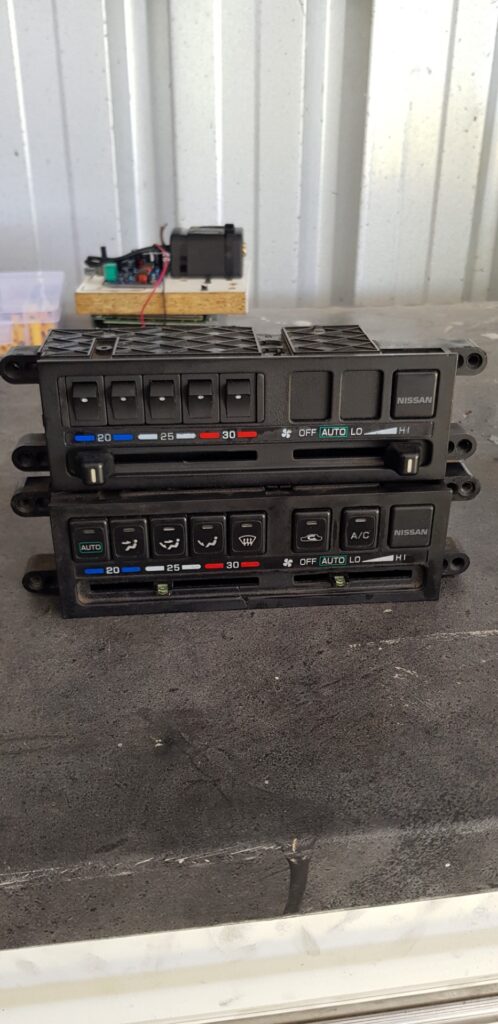
Damaged and hacked cabin wiring to the original HVAC control unit
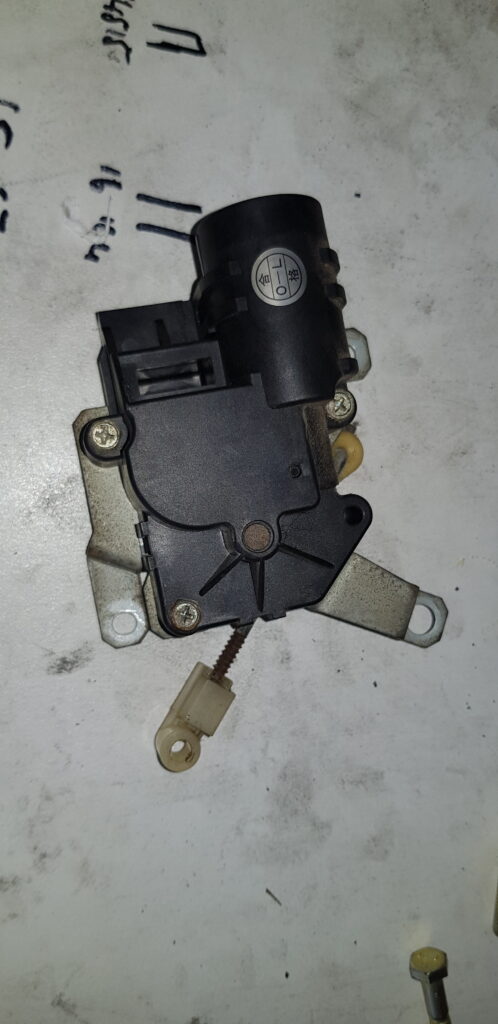
Ageing 12 V vent motors with weak torque and worn positional feedback tracks
No reliable fan or air-conditioning control in a black car used in a hot Australian climate
The goal for this project was to replace that fragile, ageing system with:
A modern and maintainable electronic control system
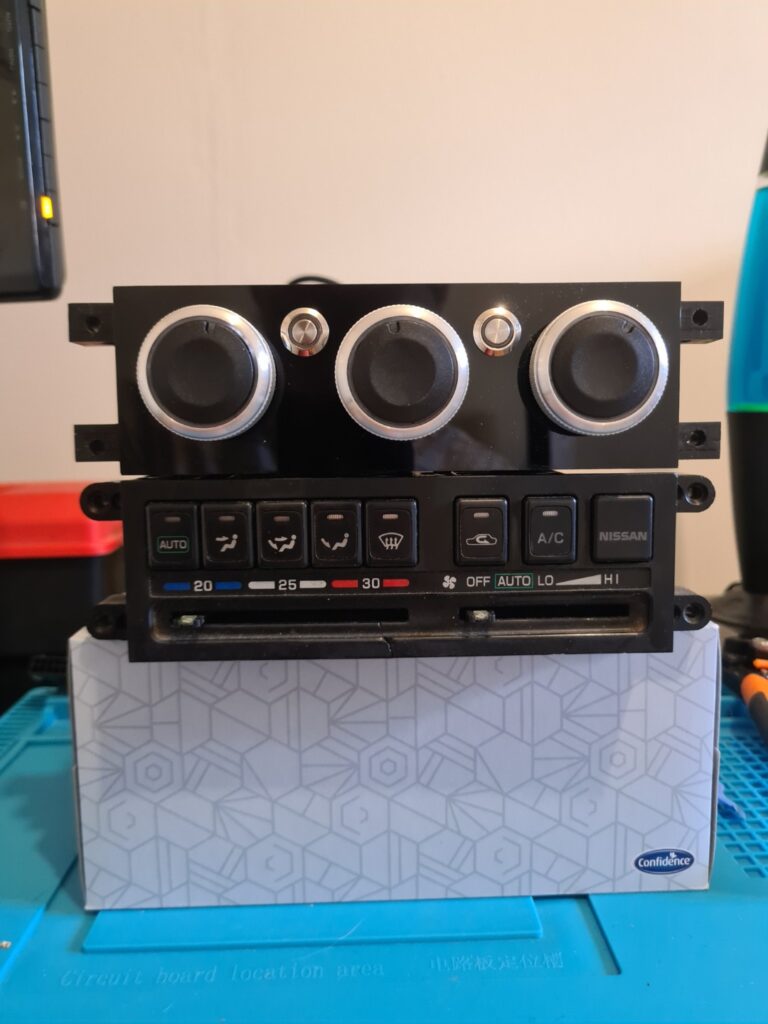
A more intuitive and contemporary user interface
A design robust enough to live behind the dash alongside a PDM-based ECU and other noisy electronics
Original Hardware Assessment
The original vent motors and feedback mechanisms were disassembled and inspected. Replacement DC motors were sourced, but the brittle resistive pads used for position sensing were not suitable for a long-term solution. At this point the direction shifted from repairing OEM hardware to designing a replacement system.
Mk1 – Arduino Control, Hacked Motors and Bluetooth UI
Mk1 was developed while still working as a cabinetmaker, before beginning formal engineering studies. The core idea was:
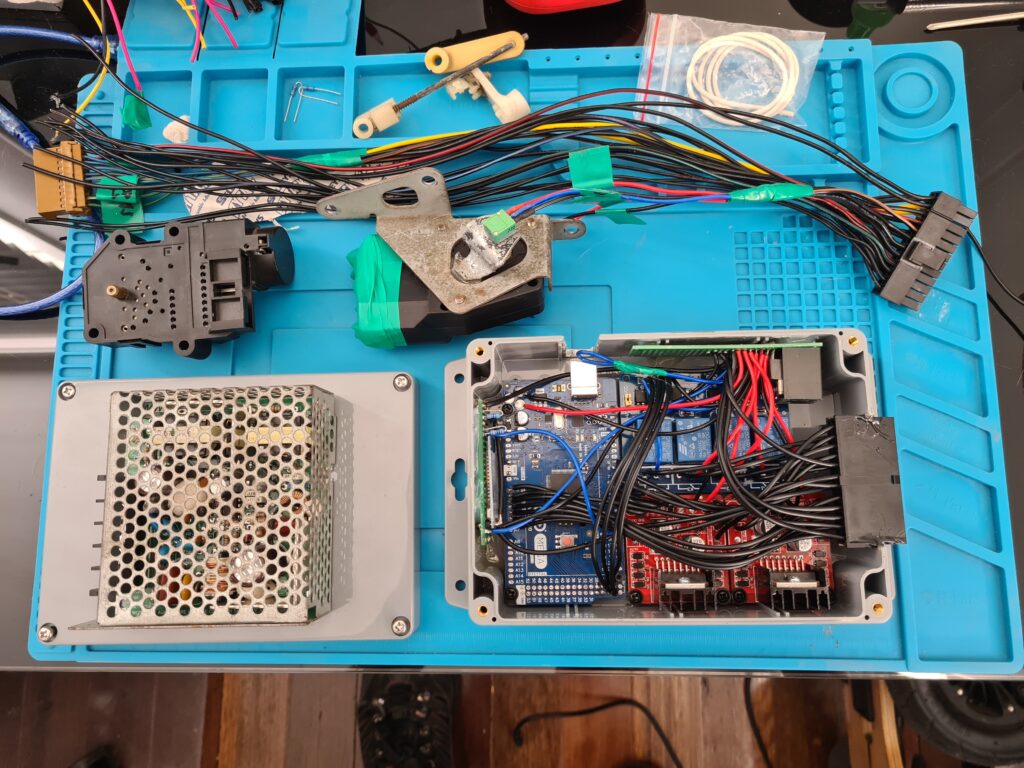
Reuse the factory vent mechanisms
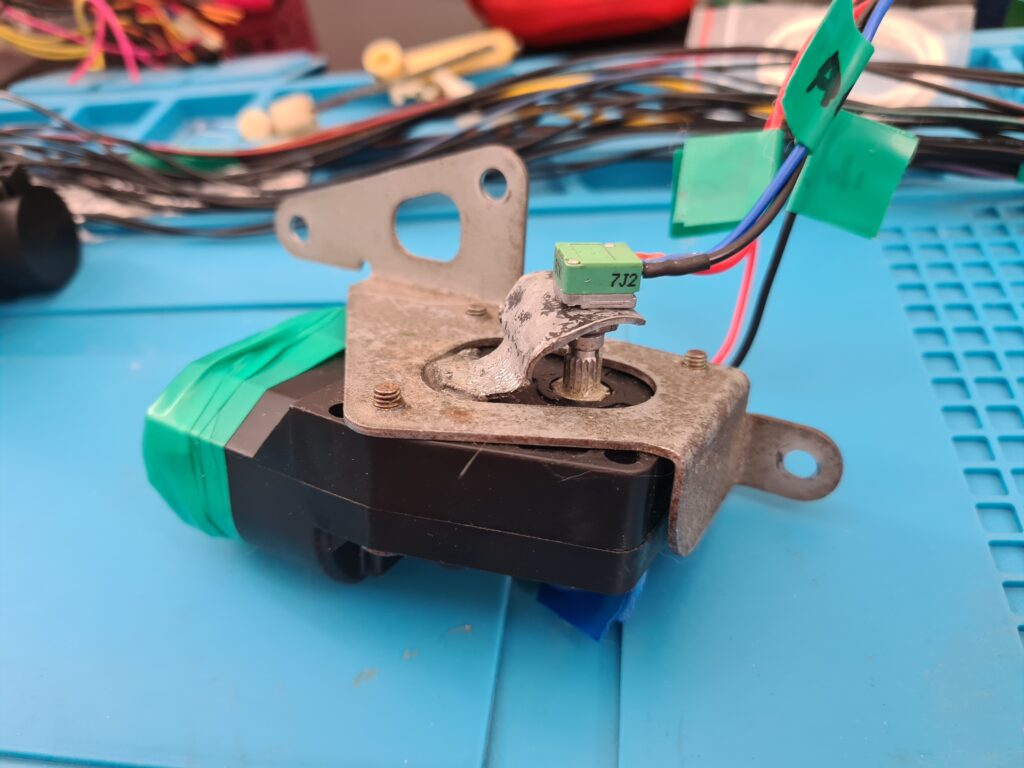
Add external potentiometers for position feedback
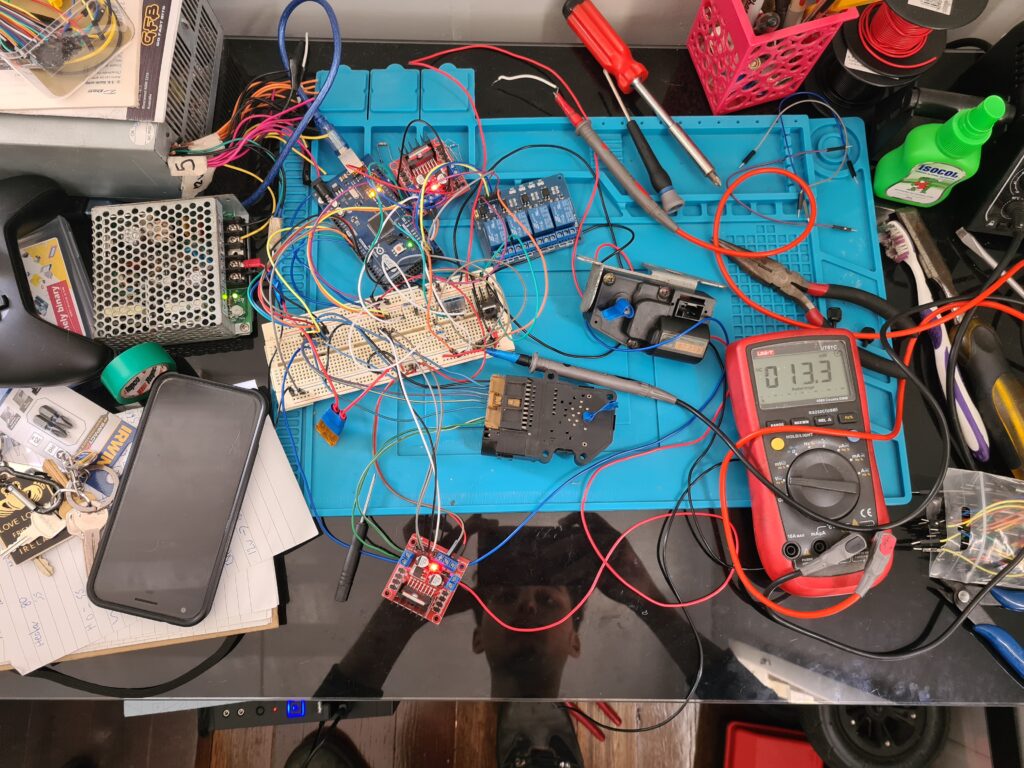
Use an Arduino and H-bridge drivers to implement closed-loop control
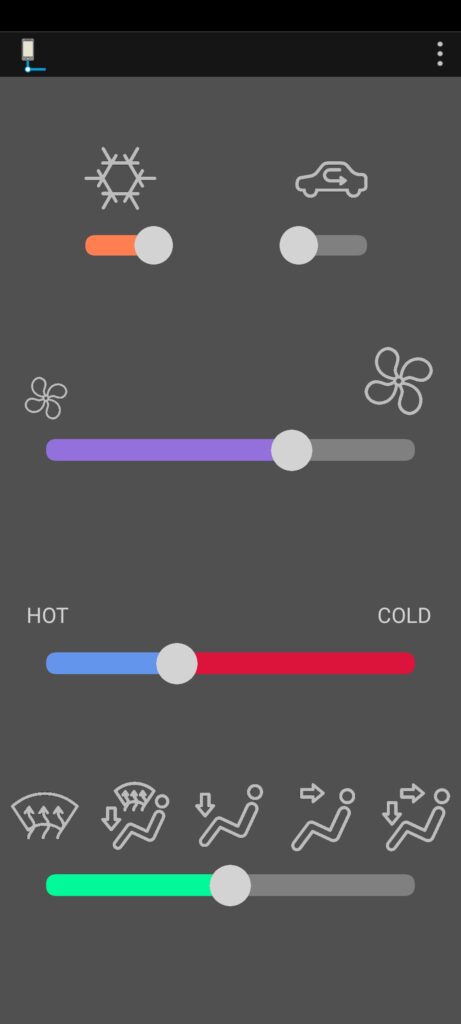
Control the system from a phone via a Bluetooth-based UI
Key features of Mk1:
Closed-loop vent position control using external potentiometers
Relay control of the original blower resistor pack and compressor clutch
A custom phone UI for fan, mode and temperature commands
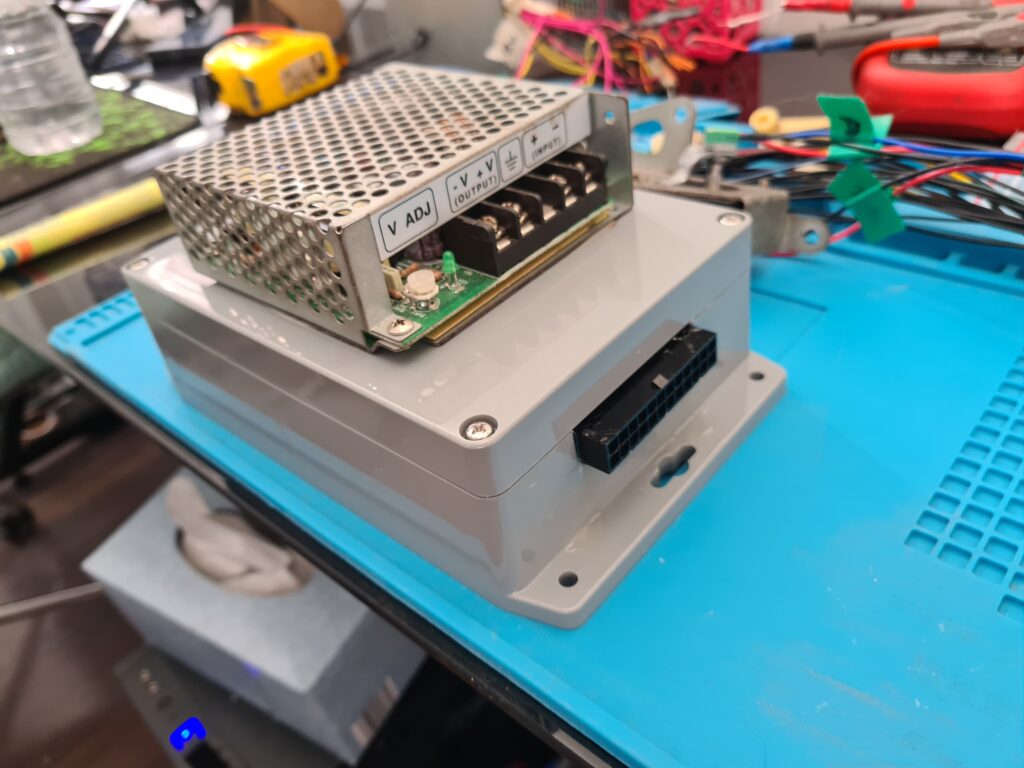
An isolated power supply module to help protect sensitive analog feedback from automotive noise
Mk1 met its functional goals on the bench but revealed important limitations:
The hot-glued potentiometer couplings to the motor shafts were mechanically fragile.
The wiring strategy relied heavily on analog signals and isolated supplies that would have been hard to trust long-term, buried behind the dashboard.
Mk1 was intentionally retired at the prototype stage, once it had delivered its main value as a learning platform.
Mk2 – Servos, Shielded Wiring and a Modern Control Panel
After focusing on other major work on the car (engine rebuilds, wiring cleanup), the HVAC project was revisited with more experience and a clearer approach.
Key changes in Mk2:
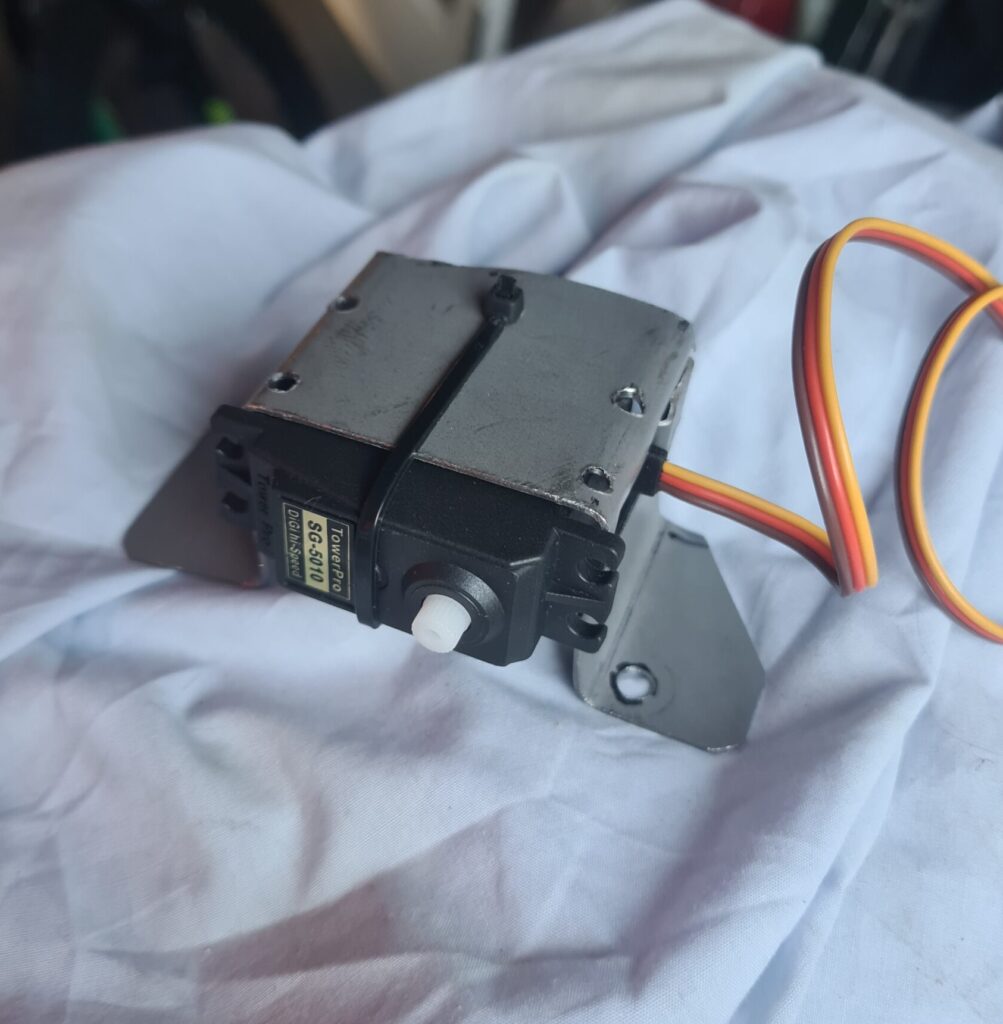
Actuators:
Electronics & interface:
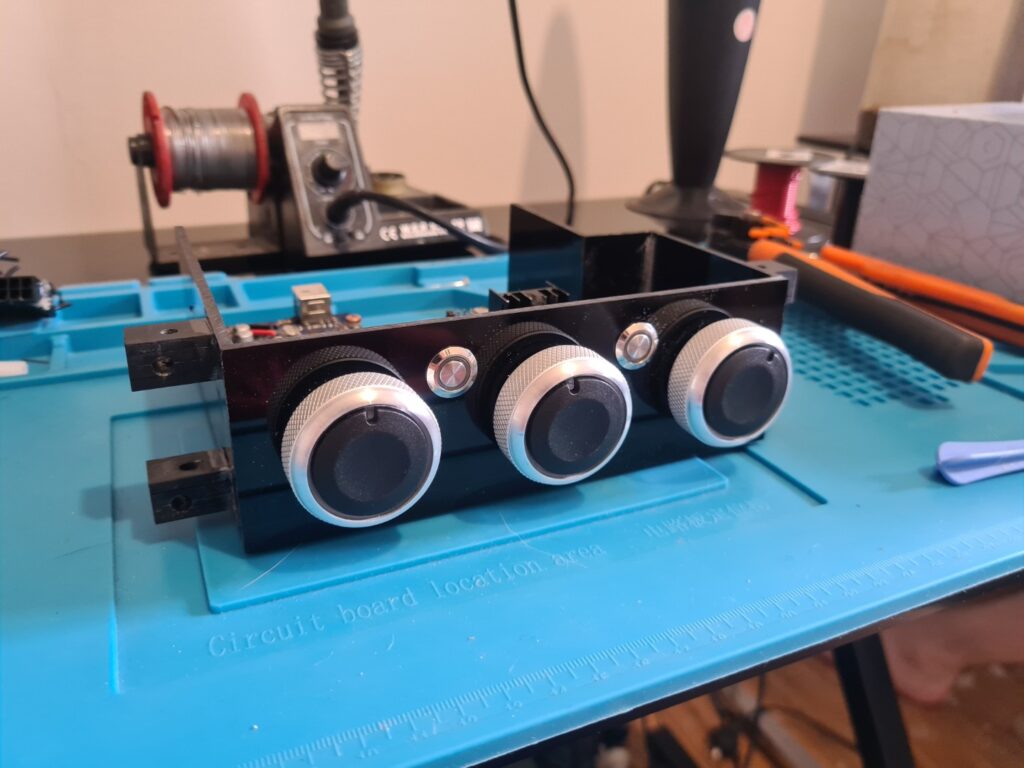
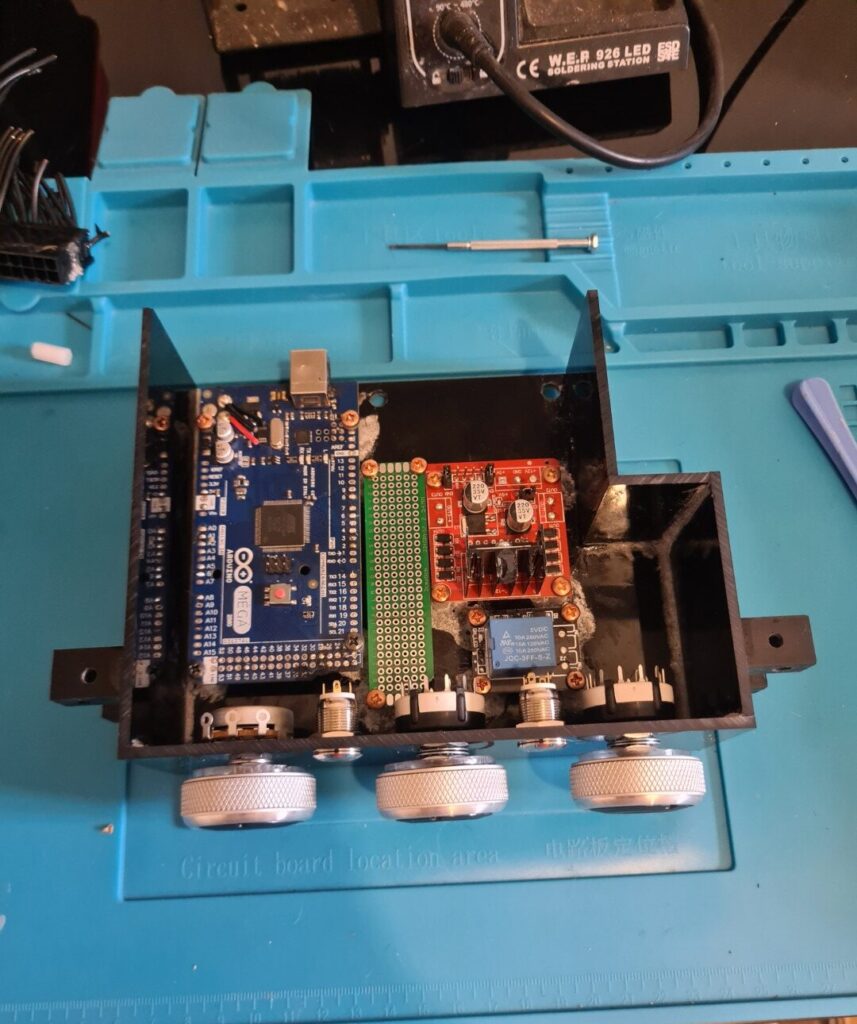
The system was consolidated into a single compact enclosure.
An Arduino Mega controlled two servos via a motor driver and switched the compressor via a relay.
A new front panel was created with:
Left knob: temperature (potentiometer, cold → hot)
Middle knob: vent mode (rotary switch: face, face/feet, demist, etc.)
Right knob: fan speed (rotary switch: off, low, medium, high)
Illuminated push buttons for A/C and recirculation
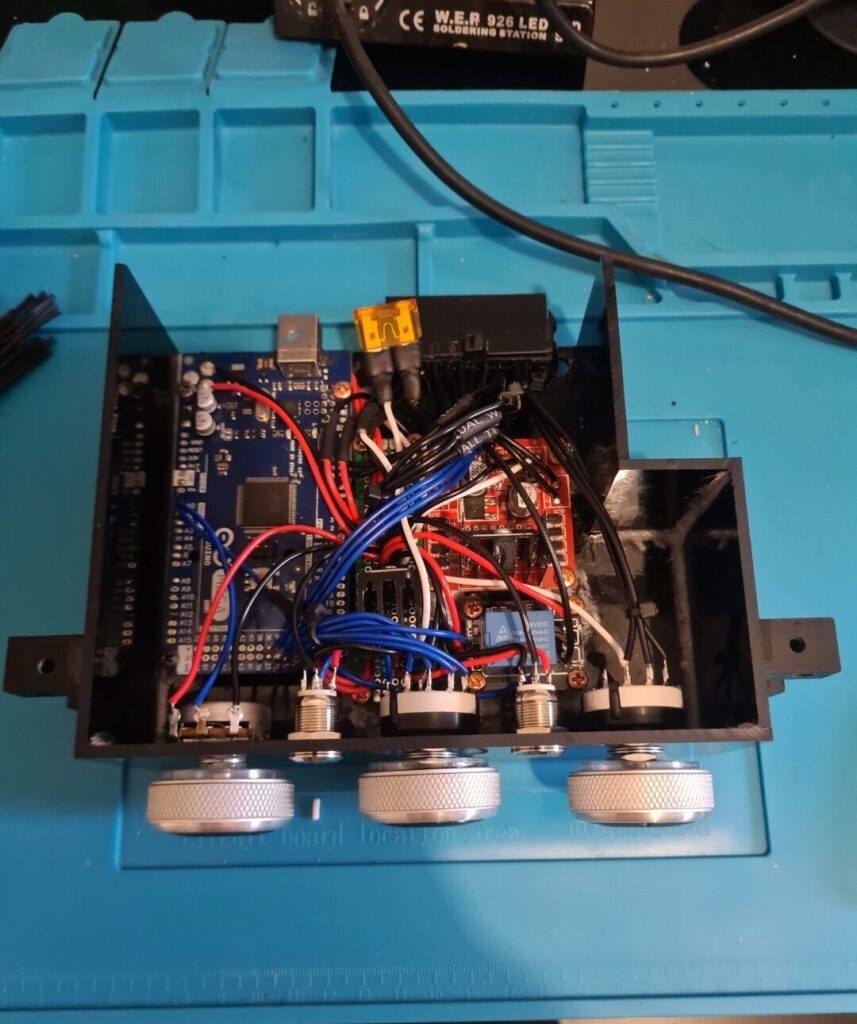
EMI-conscious wiring:
From other projects (e.g. sim racing hardware), it was clear that EMI management would be critical.
Industrial-grade shielded cable was selected: twisted pairs with full metal braid and a heavy outer sheath.
The intention was to run all sensitive signals (servo control and feedback) through these shielded looms to protect them from the noisy environment behind the dash.
Mk2 represented a significant step up in terms of mechanical packaging, user experience and EMI awareness.
Why Mk2 Stopped at Prototype
Despite Mk2’s progress, there were clear reasons not to install it:
Blower motor control not fully solved
The factory blower motor draws approximately 40 A on startup.
At that time, there was no high-current PWM solution in place that was robust enough for long-term use.
Continuing to lean on the original resistor pack and simple relays didn’t align with the direction of the build.
EMI and future system context
Even with high-quality shielded cable, Mk2 still relied on relatively long analog signal runs for servo control and feedback.
The space behind the dash will also house a PDM-based ECU, switching:
This makes the region behind the dash an increasingly harsh EMI environment.
Installing an analog-heavy system there would likely result in difficult-to-trace interference issues later.
Timing and priorities
Around the same time, personal priorities shifted (marriage, moving house, the start of a Mechatronics degree).
Given the outstanding technical concerns, fully installing Mk2 was not the best investment of time.
Mk2 therefore remains as a fully functional, bench-tested prototype that demonstrates a more mature approach, but it is intentionally not the final implementation.